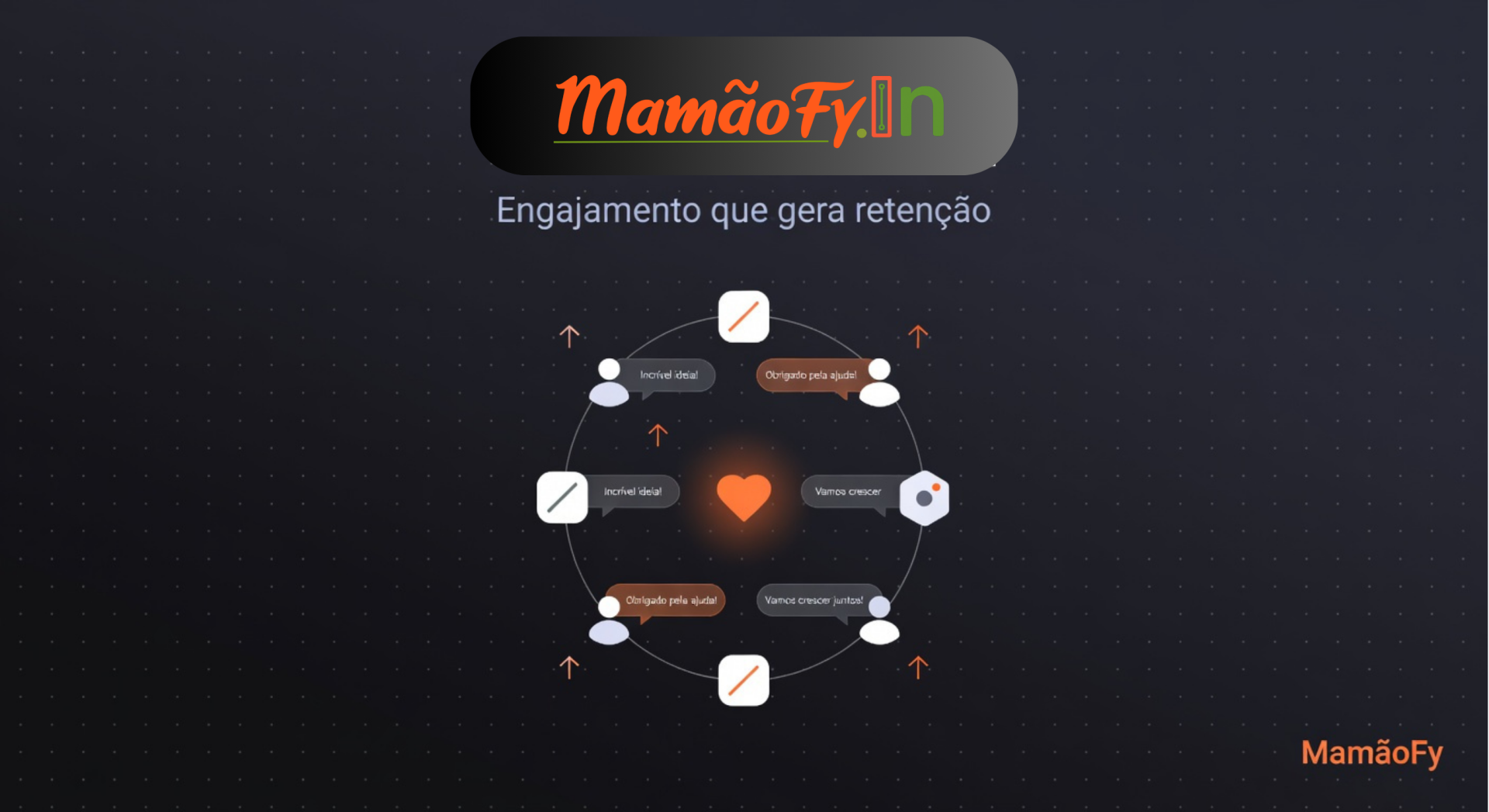
Cómo crear una comunidad para tus alumnos
Crea foros de discusión, modera contenido y construye una comunidad comprometida alrededor de tus cursos en MamãoFy.

¿Por qué crear una comunidad para alumnos de cursos online?
Alumnos que participan de comunidades tienen 3x más probabilidades de completar el curso y comprar nuevos productos. El engagement generado por la interacción entre participantes mejora la retención y transforma a los alumnos en compradores recurrentes.
Los estudios muestran que alrededor del 70% de los alumnos de cursos online no completan sus actividades sin soporte adicional. Una comunidad activa ayuda a reducir esta deserción al crear un sentido de pertenencia.
En cursos online, la tasa de finalización puede ser un 20% menor que en los presenciales. La comunidad ofrece el soporte necesario para aumentar las probabilidades de éxito de los alumnos.
Las comunidades online bien estructuradas promueven interacciones que refuerzan el aprendizaje colectivo. Esto genera mayor motivación y resultados medibles en plataformas de enseñanza.
¿Cómo los foros por tema organizan las discusiones?
Los foros por tema permiten organizar las discusiones por asunto específico de cada curso. Los alumnos encuentran rápidamente el espacio adecuado para resolver dudas o compartir experiencias relacionadas con el contenido estudiado.
Esta estructura evita conversaciones mezcladas y facilita la moderación. Cada sección mantiene el enfoque, haciendo que la comunidad sea más útil y productiva para todos los participantes.
Los alumnos comprometidos en discusiones organizadas reportan mayor motivación para continuar sus estudios. El formato ayuda a construir conocimiento colectivo de forma clara y accesible.
¿Cómo funciona la moderación en la comunidad?
La moderación permite aprobar, editar o eliminar publicaciones para mantener la calidad del contenido. El control evita el spam y garantiza que las discusiones permanezcan relevantes y respetuosas.
Con moderación activa, la comunidad se convierte en un entorno seguro. Los alumnos se sienten más cómodos para participar cuando saben que el espacio está bien gestionado.
Los estudios indican que los alumnos con un fuerte sentido de pertenencia permanecen más tiempo y presentan mejores desempeños. La moderación contribuye directamente a ese sentimiento de seguridad.
¿De qué forma los votos y reports mejoran la experiencia?
Los votos permiten que los alumnos destaquen las mejores respuestas dentro de los foros. Esto valora las contribuciones útiles y ayuda a los nuevos participantes a encontrar información de calidad rápidamente.
El sistema de reports posibilita denuncias de contenido inadecuado. El equipo de moderación puede actuar rápidamente para eliminar publicaciones que violen las reglas de la comunidad.
Estos recursos combinados crean un ciclo positivo de participación. Los alumnos se involucran más cuando perciben que sus opiniones son valoradas y que el entorno está protegido.
¿Dónde acceden los alumnos a la comunidad?
Tus alumnos acceden a la comunidad dentro de su área de miembros. El acceso es simple e integrado a la plataforma de cursos, sin necesidad de salir del entorno de aprendizaje.
Cada curso puede tener su propia sección de discusión. Esto mantiene las conversaciones enfocadas en el contenido específico de ese módulo o programa.
La integración directa con el área de miembros aumenta la frecuencia de acceso. Los alumnos que ya están conectados tienden a participar más en las discusiones de la comunidad.
¿Cuáles son los beneficios prácticos de implementar esta comunidad?
La comunidad transforma el curso en una experiencia más interactiva. Los alumnos que interactúan entre sí completan más etapas y demuestran mayor satisfacción con el producto.
Además de la retención, la comunidad estimula la compra de nuevos cursos. Los participantes comprometidos conocen mejor la oferta y confían más en la plataforma.
Recursos como foros, moderación, votos y reports son esenciales para mantener la calidad. Sin estos controles, la comunidad puede perder enfoque y efectividad.
Las plataformas que adoptan estas herramientas ven un aumento en el engagement general. La fecha de publicación en 2025 refuerza la relevancia actual del modelo para cursos online.
¿Cómo impactan las comunidades online en la retención en 2026?
En 2026, las comunidades integradas continúan mostrando resultados positivos en plataformas de enseñanza. El modelo con foros y moderación sostiene el engagement a lo largo del tiempo.
Los alumnos que usan estos espacios reportan mayor conexión con el contenido y con sus compañeros. Esto se traduce en menos abandonos y más interacciones productivas.
Preguntas frecuentes
¿Cómo acceden los alumnos a la comunidad?
Los alumnos acceden directamente dentro del área de miembros de la plataforma. Cada curso posee su propia sección de discusión integrada.
¿Qué recursos están disponibles en la comunidad?
La comunidad ofrece foros por tema, moderación de publicaciones, sistema de votos para las mejores respuestas y reports para contenido inadecuado.
¿La comunidad realmente aumenta la retención?
Sí. Los alumnos que participan de comunidades tienen 3x más probabilidades de completar el curso, según datos de la plataforma. Estudios independientes confirman que el engagement en comunidades online mejora significativamente las tasas de finalización.
Las comunidades bien gestionadas generan valor continuo para alumnos y creadores de cursos. La implementación en 2025 demuestra resultados medibles en retención y engagement.